Spot on 100 Years GeSoLei
100 Years GeSoLei
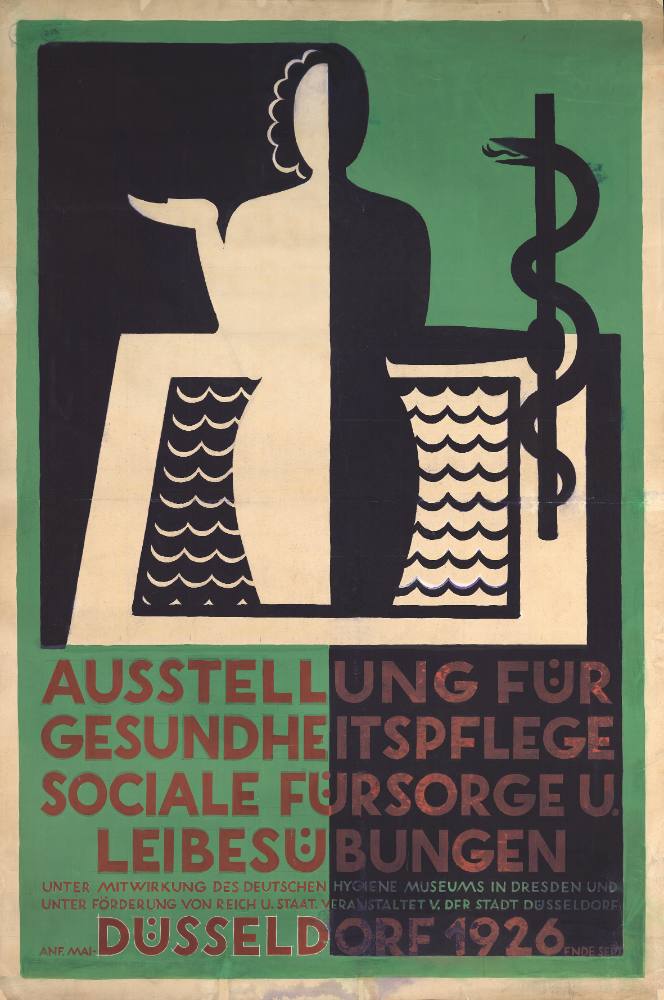
Whether dramatically staged or soberly recounted, whether rendered in rich detail or suggested with broad strokes: murder, in all its facets, has been a subject of art for centuries. It appears in depictions of ancient myths, biblical stories and historical events as well as in contemporary imagery. The fascination with such works lies in their emotionality and the attempt to give expression to that which is shocking and incomprehensible. In 1926, Düsseldorf became the venue for the exhibition on healthcare, social welfare and physical exercise –“GeSoLei“ for short , the largest exposition of the Weimar Republic. In the wake of the First World War, the event promoted the ideal of a “new, capable human being”. Topics such as medicine, sport, social welfare, hygiene, nutrition and physical culture were the focus, complemented by a wide-ranging cultural and entertainment program.
Between 8 May and 15 October 1926, over 7.5 million people visited the 400,000-square-metre site. Architect and academy professor Wilhelm Kreis designed the building ensemble at the Ehrenhof especially for the occasion. Comprising the present-day Tonhalle concert hall, exhibition buildings and the Rheinterrasse, it continues to shape Düsseldorf’s cityscape to this day. Around 20 artists created sculptures, mosaics, murals and glass art, with numerous works still preserved around the Ehrenhof. The exhibition commemorates this important chapter in the city's history from one hundred years ago.
Curator: Barbara Til, | Head of Collection Sculpture, Applied Arts and Glass Collection